When can I see the fall colors?
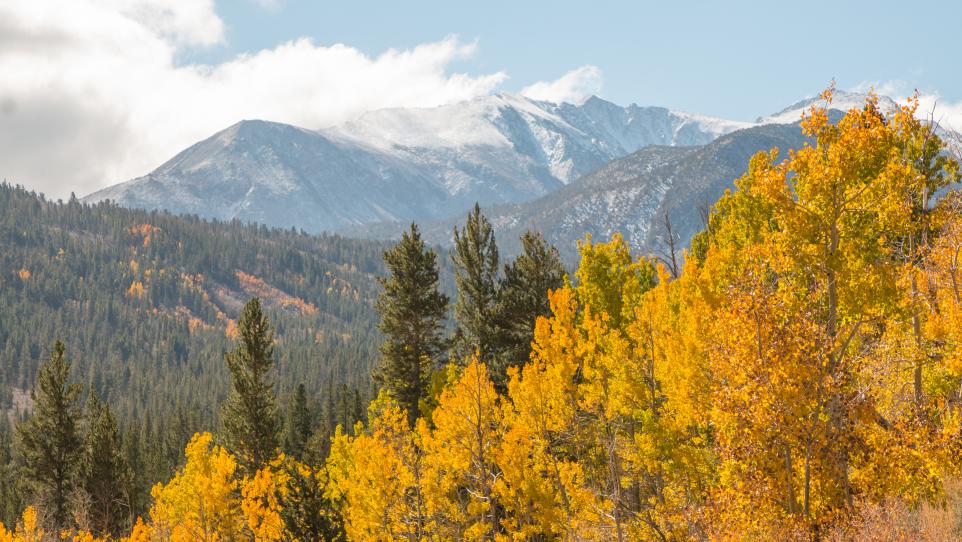
Mono County's wide range of elevations—from about 5,000 to nearly 12,000 feet—means fall colors arrive in waves. The trees at the highest elevations turn first, with the color gradually moving downhill over the following weeks. As a result, Mono County enjoys one of the longest fall foliage seasons of California's 58 counties.
Cooler temperatures and shorter days usually set the season in motion by mid to late September. That's when the leaves begin changing around Bishop Creek, Rock Creek, Sagehen Summit, Virginia Lakes, and Green Creek.
Next the colors peak in the areas near Mammoth Lakes, at McGee Creek, around Bridgeport, the Conway Summit, and Sonora and Monitor Passes -- with the grand finale in October along the June Lake Loop, Lundy Canyon, Lee Vining Canyon, Convict Lake, and the West Walker River. If the weather cooperates, vibrant fall color can linger into early November in the Walker, Coleville and Topaz, and Bishop regions.
Follow our weekly Fall Color Report to get the most current color updates.
When is the BEST time to see the fall colors?
If you're looking for the greatest variety of color, plan your visit for early to mid-October. During that time, you'll find a little bit of everything: some areas will be at their peak, others will be midway through the transition, and the highest or lowest elevations may just be getting started.
If you have your heart set on seeing a particular location at its peak, try to time your visit accordingly. Otherwise, don't worry too much. Every stage of the fall color season has something special to offer.
Browse our photo galleries to compare color by date, or read more about seasonal timing here.
Where is the best place to see fall colors?
There's no way to choose just one! Every corner of Mono County has something unique to offer, and each location shines at a different point in the season. Browse our photo galleries for inspiration, grab a fall color map, and check the weekly Fall Color Report to help plan your visit.
Does the previous winter affect the timing of the fall colors?
Historically, the answer has been no. Whether the previous winter was wet or dry, snowy or mild, the timing of fall colors has been remarkably consistent. Shorter days and cooler temperatures are what trigger the color change, and those conditions typically arrive in mid to late September.
There has been one notable exception. After the historic 2022–23 winter, which brought record snowfall, the 2023 fall color season started later than usual. It was the first significant delay we'd seen in more than a decade of tracking fall colors.
So while the season generally follows a reliable schedule, Mother Nature can still surprise us.
How will the weather affect the fall colors?
Weather plays a big role in how vibrant the colors become -- and how long they last.
Warm days, cool nights (below 45°F), and dry conditions tend to produce the brightest displays. Rainy weather and warm nights can lead to less intense color, while strong winds may bring the season to an early end by knocking leaves from the trees.
Mountain weather can change quickly, so it's always important to check the forecast and current road conditions before you head out. Conditions can vary dramatically from one region to the next, and elevation makes a big difference. A lower-elevation community may see rain while higher elevations are already getting snow.
How do I have a safe, enjoyable fall color visit?
Thanks for asking! We all appreciate considerate, thoughtful visitors. Here are a few safety tips -- and please help us keep Mono County beautiful by following Leave No Trace principles and practicing good Mountain Manners.
- Check Road and Weather conditions BEFORE heading out. Fall weather in the mountains can change swiftly -- be prepared.
- Park only in designated pull-outs or parking areas. Never stop in the roadway for photos or create your own parking spot on vegetation.
- Stay aware of your surroundings. Wildlife, including deer and bear, are especially active during fall, so drive carefully.
- Watch out for fellow leaf-peepers, photographers. pedestrians and cyclists.
- Respect the places you visit by packing out trash, staying on established roads and trails, and leaving natural areas as you found them.
By traveling responsibly, you'll help preserve Mono County's spectacular fall colors and the wildlife and communities that make this region so special.
What kinds of trees change color in the Eastern Sierra?
The area's most vibrant fall displays come from aspens, cottonwoods, and willows.
Where can I stay for the fall colors?
Mono County offers a wide variety of lodging options throughout the region. Browse accommodations and check availability to find the best place for your fall getaway.
Are there any other things to do when I visit?
Fall is one of the best times to explore Mono County beyond the changing leaves.
Seasonal events take place throughout the region, and there are plenty of unique ways to experience the scenery, including horseback rides, paddling on the water, hiking and fishing are also especially rewarding during the fall season.
I have more questions - who can I ask?
You can call us (Mono County Tourism) at 800-845-7922 Monday through Friday from 8am-5pm - if we miss you, please leave a message and we'll call back ASAP, or email us at tourism@mono.ca.gov.
For questions regarding fall colors in Bishop and Inyo County, please visit https://bishopvisitor.com/fall-activities/ and/or contact the Bishop Chamber of Commerce at 760-873-8405.
For more information on fall colors in Mammoth Lakes specifically, please visit https://www.visitmammoth.com/fall-colors/ and for autumn locations California-wide, the best resource is https://californiafallcolor.com/.

